AI detects failure signals 48–72 hours before collapse risk escalates
Structural Failure Prevention Most structural
failures are
preventable.
We detect the warning signs — before they become disasters.

AI-powered structural health monitoring for bridges, high-rise buildings, and dams — using vibration, strain, and load sensor data. Works with existing sensors or CivilMind IoT modules. SaaS platform, no infrastructure downtime.

📊
India sees 3+ major structural failures per year. Most show detectable precursor signals 48–72 hours in advance — signals that conventional inspection cycles miss entirely.
60s
Sensor to IS-Code Report
SPEED
99.2%
Anomaly Detection Accuracy
12,000+ sensor datasets
40%
Inspection Cost Reduction
8 pilot projects
50+ infrastructure teams across India Works with existing sensors Setup in < 2 hours
60s
TO REPORT
CivilMind · Bridge NH-47 · Live Monitor
LIVE
Vibration
0.02g
↓ Normal
Strain
+142με
↑ Watch zone
Risk Score
LOW
↻ 2s ago
Structural Stress Heatmap — Span 4 ⚠ Strain anomaly detected
PIER A MID-SPAN SPAN 4 ⚠ PIER B
Spans 1–3 vibration within IS:1893 thresholds
12:04:32
⚠ Span 4 strain gauge #7 → 65% of IS:1893 threshold
12:04:18
Sensor Hardware

Every Sensor. Every Signal. Captured Continuously.

CivilMind works with your existing sensor infrastructure or deploys its own BSTRO Dock PAC IoT modules. Corrosion sensors, dynamic strain gauges, temperature probes, inclinometers — every signal type is ingested, validated, and processed in real-time.

The DEWESOFT HISTORIAN integration and SCADA/MES/ERP connectivity mean CivilMind slots directly into your existing operations infrastructure — no rip-and-replace required.

  • Plug-and-monitor in under 2 hours — zero structural downtime
  • Works with DEWESOFT HISTORIAN, SCADA, MES, ERP systems
  • Corrosion, strain gauge, temperature, and inclinometer support
  • OBSIDIAN edge compute for on-site preprocessing
  • Wireless + wired connectivity — bridge, building, dam typologies
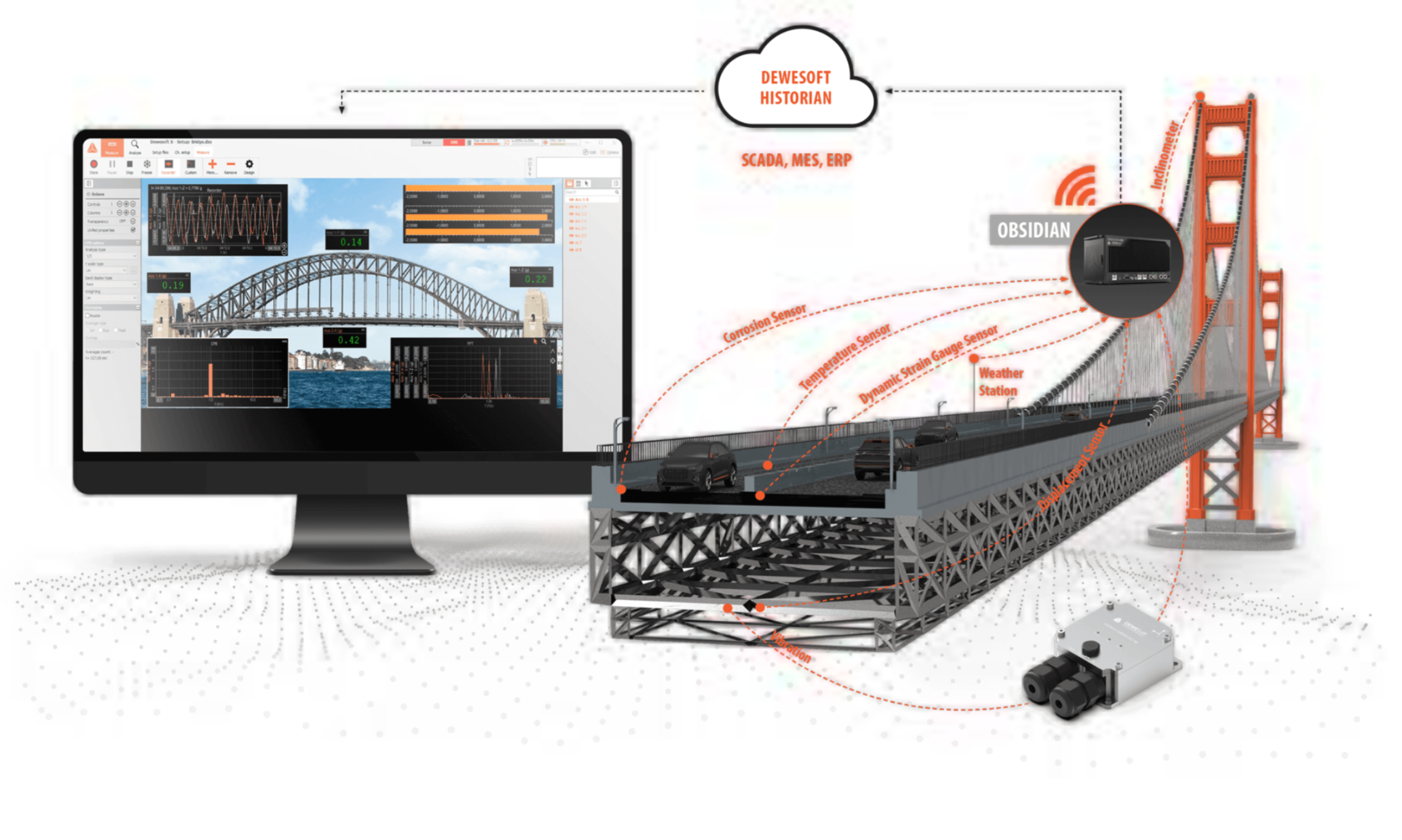
CivilMind sensor system — bridge monitoring with corrosion sensors, dynamic strain gauges, inclinometers connected to OBSIDIAN edge module and DEWESOFT HISTORIAN cloud
BSTRO Dock PAC · OBSIDIAN Edge Module · DEWESOFT HISTORIAN · SCADA / MES / ERP Integration
The Problem

Structural Failures Don't
Happen Without Warning.

Most structural deterioration produces detectable signals weeks before failure risk escalates. The problem is that conventional inspection cycles don't move fast enough to catch them.

72 hrs
Average early-warning window before critical failure
Most structural failures show detectable precursor signals — vibration anomalies, micro-fatigue, strain changes — 48–72 hours before risk becomes critical.
5–10×
Cost multiplier of emergency vs. planned repair
Emergency structural intervention costs 5–10× more than planned maintenance triggered by early AI detection.
6 months
Typical gap between manual inspection cycles
Failures happen between inspections. Continuous AI monitoring closes this gap to under 2 seconds.

Why the Infrastructure Industry Can't Afford to Wait

India's infrastructure is aging faster than manual inspection cycles can track it. With ₹111 lakh crore committed to infrastructure development under the National Infrastructure Pipeline, the exposure to undetected structural risk is at an all-time high.

Regulatory pressure from NHAI, BIS, and state PWDs is increasing. Smart city mandates now require real-time structural health data for critical assets. The question is no longer whether to deploy continuous monitoring — it's whether you can afford not to.

📈
Infrastructure spending at ₹111L Cr — more structures, more risk exposure per year
⚖️
Regulatory pressure increasing — NHAI and BIS pushing for continuous SHM compliance
🏙️
Smart City Mission — 100 cities mandating real-time infrastructure health monitoring
How It Works

Three Steps. Zero Manual Intervention.
Full IS-Code Compliance.

CivilMind transforms raw sensor signals into actionable engineering decisions — automatically, in under 60 seconds, 24 hours a day.

STEP 01
📡
Sensors Capture Structural Data
Your structure's sensors — PVDF piezoelectric, MEMS accelerometers, fiber optic strain gauges, corrosion sensors — stream vibration, strain, tilt, and temperature data continuously to CivilMind's cloud ingestion layer. Works with your existing hardware or CivilMind's BSTRO Dock PAC IoT modules.
Input
Vibration (g)Strain (με)Tilt (°)TemperatureCorrosion
Used by: Site engineers, instrumentation teams
STEP 02
🧠
AI Detects Anomalies & Predicts Failure Risk
Seven concurrent AI agents process your sensor data — validating quality, running LSTM anomaly detection (99.2% accuracy on 12,000+ datasets), computing RoBCr risk scores, and correlating findings across all structural channels. Anomalies are detected 48–72 hours before they reach critical threshold.
Output
Risk Score (Low/Watch/Critical)Anomaly flagsStructural zone mapping
Used by: Structural engineers, project managers
STEP 03
📋
Auto-Generates IS-Code Report + Alerts
A full engineering report — IS:1893, IS:456, IS:800, IRC-cited, with sensor plots, anomaly narratives, structural zone heatmaps, and recommended remediation — generated in under 60 seconds. Delivered to your team via dashboard, email, and SMS. Submission-ready without manual review.
Output
IS-code PDF reportSMS/email alertsDashboard viewRemediation plan
Used by: Chief engineers, compliance officers, regulators
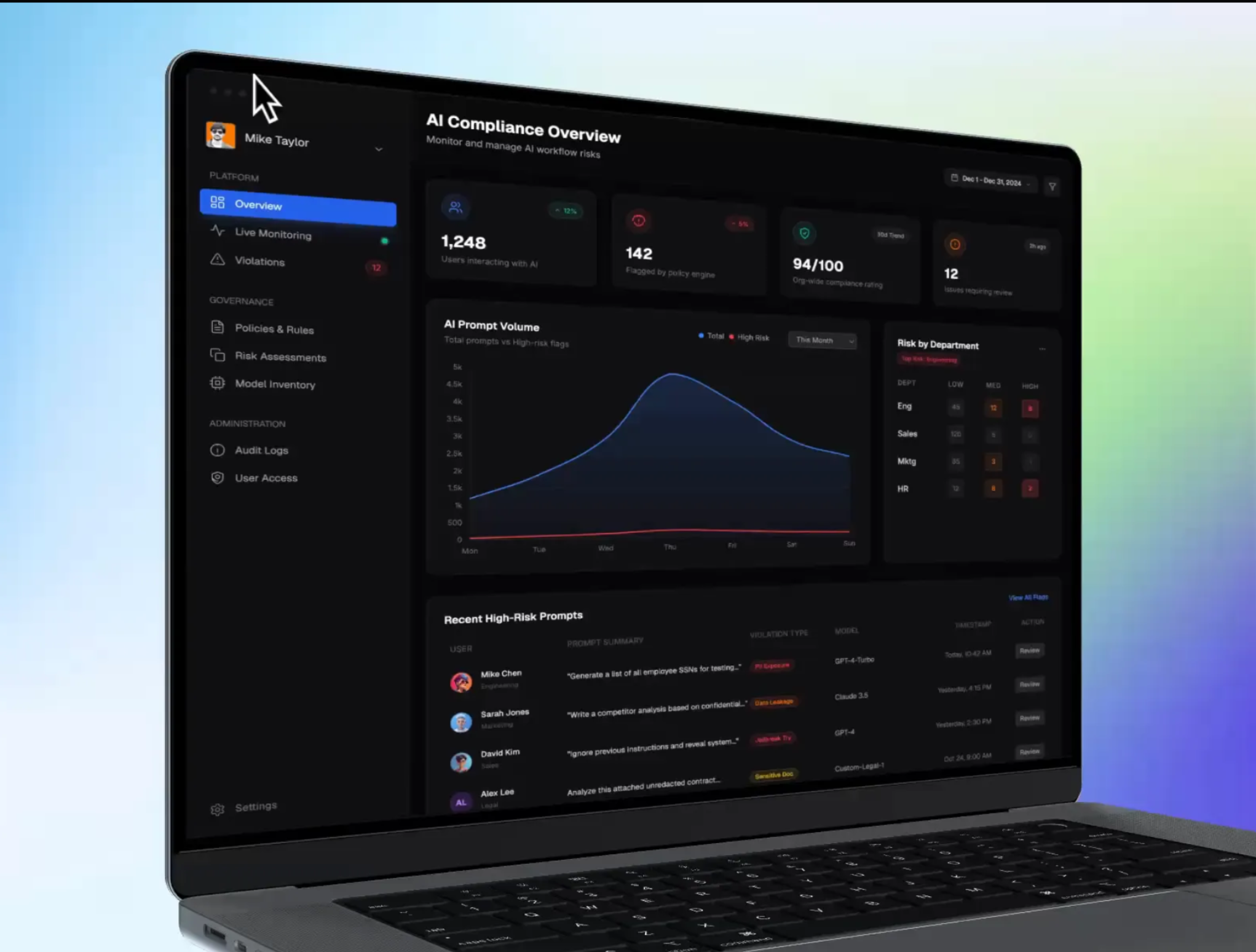
CivilMind AI monitoring dashboard — real-time structural risk overview, sensor anomaly charts, IS-code compliance scoring and violation flags
CivilMind Live Dashboard · Risk Scores · Anomaly Detection · IS-Code Compliance Overview
Platform UI

Every Risk. Every Structure. One Dashboard.

The CivilMind monitoring platform gives structural engineers a complete real-time picture of every monitored asset — risk scores, anomaly alerts, live sensor trends, and IS-code compliance status — in a single unified view.

No switching between tools. No manual aggregation. Every insight your team needs to make immediate, defensible decisions is surfaced automatically — updated every 2 seconds.

  • Live risk scoring across all structural zones — updated every 2 seconds
  • Anomaly flagging with IS:1893 / IS:456 citations surfaced in-dashboard
  • Sensor trend charts with pre-failure detection markers highlighted
  • One-click IS-code report generation from any flagged alert
  • Multi-structure portfolio view for government and enterprise teams
Measured Results

Outcomes Measured Across
Real Deployments

60s
Sensor to Report
Replace a 3-day manual reporting cycle with a full IS-code-compliant report generated automatically in under 60 seconds.
Real-world deployment data
99.2%
Anomaly Detection Accuracy
LSTM deep learning models trained on structural failure patterns — validated across 12,000+ sensor datasets from bridges, buildings, and dams.
12,000+ sensor datasets
40%
Inspection Cost Reduction
Convert reactive emergency repairs to targeted planned maintenance. Across 8 pilot projects, teams averaged 40% reduction in total inspection expenditure.
8 pilot deployments
Avg. ₹2.4 Cr saved per major structure/yr
48–72h
Early Warning Lead Time
CivilMind detects structural anomalies 48–72 hours before they reach critical thresholds — time to act, not just react.
Avg. across bridge deployments
Why CivilMind

CivilMind vs. Manual Inspection
vs. Generic IoT Tools

Most structural monitoring tools collect data. CivilMind is the only platform that reasons about it, validates it against IS codes, and delivers a submission-ready report — automatically.

Capability
CivilMind
Manual Inspection
Generic IoT / SHM
Real-time continuous monitoring
✗ 6-month cycles
AI anomaly detection (LSTM)
Threshold only
Predictive failure alerts (48–72h)
IS-code compliant auto-reports
Manual, 3 days
Works with existing sensors
N/A
Proprietary only
Structural zone heatmaps
Basic charts
Report delivery time
60 seconds
2–5 days
Manual post-processing
Data Pipeline

From IoT Sensor Event to
Structural Decision — Automatically

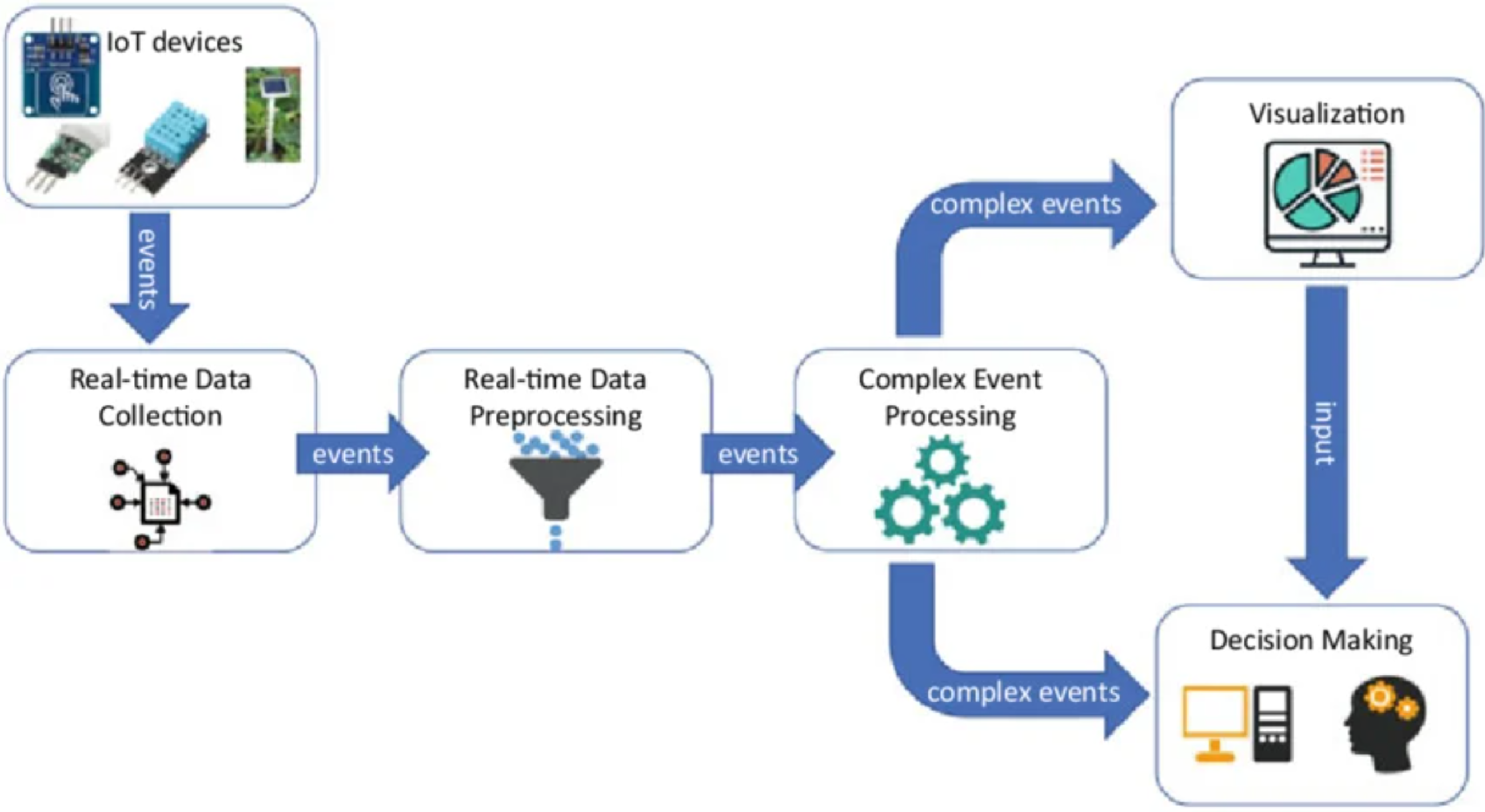
CivilMind processes every sensor signal through real-time ingestion, preprocessing, complex event processing, and AI decision-making — with zero manual intervention at any stage.

CivilMind data flow — IoT devices stream events through real-time data collection, preprocessing, complex event processing to visualization and AI-driven decision making
IoT Sensor Events
Real-time Collection
Data Preprocessing
Complex Event Processing
Visualization + Decision
End-to-end: < 60 seconds
Who Uses CivilMind

Built for the Teams
Responsible for Structural Safety

🏗️
Infrastructure Companies
EPC contractors, highway builders, and infrastructure developers managing multiple live projects and assets across different geographies.
Risk: Undetected site-level failures
🏛️
Government Agencies
NHAI, PWD, BBMP, state irrigation departments, and municipal corporations mandated to monitor and report on structural health of public assets.
Risk: Regulatory compliance gaps
📐
Structural Consultants
Consulting engineers and assessment firms who need continuous data streams and auto-generated IS-code reports to serve their clients at scale.
Risk: Slow reporting cycles
🏙️
Smart City Operators
Smart City Mission teams requiring real-time structural health dashboards for bridges, buildings, and water infrastructure as part of city-wide IoT deployments.
Risk: No unified SHM layer
Structure Types

Every Major Structure Type.
Every Relevant IS Code.

CivilMind's detection models are trained and validated for six primary structural typologies across India's infrastructure landscape.

🌉
Bridges & Flyovers
Detects: Fatigue cracking · Scour · Bearing wear
Vibration, strain, and dynamic load monitoring. Girder fatigue detected an average of 3 weeks before critical threshold in pilot deployments.
IRC:6IRC:112IS:3370
🏢
Multi-Storied Buildings
Detects: Seismic damage · Inter-storey drift · Settlement
Post-seismic structural health assessment in minutes. Continuous inter-storey drift monitoring for high-rise buildings in Seismic Zone III–V.
IS:1893IS:456IS:875
💧
Dams & Reservoirs
Detects: Seepage · Piping failure · Crest movement
Pore pressure, seepage rate, and settlement monitoring. Early warning for piping failure — the leading cause of dam breach.
IS:6512CWC Guidelines
🏭
Industrial Structures
Detects: Corrosion · Thermal fatigue · Dynamic overload
Chimneys, silos, cooling towers, and storage tanks — continuous corrosion monitoring and dynamic load response tracking for high-consequence industrial assets.
IS:800IS:801IS:875
Transmission Towers
Detects: Foundation movement · Conductor galloping · Wind fatigue
Wind-induced oscillation and foundation movement monitoring. Reduce unplanned outages and extend service life by predicting failures 60+ days in advance.
IS:802CEA Standards
🏛️
Heritage Structures
Detects: Tourist load impact · Environmental decay
Non-invasive micro-vibration monitoring for temples, forts, and colonial-era structures. Zero surface contact — fully compliant with ASI conservation standards.
ASI GuidelinesIS:13935
Pricing

Transparent Pricing.
ROI in Under 6 Months.

SaaS platform + optional IoT hardware. No long-term lock-in. ROI achieved through inspection cost reduction within 6 months on average.

SaaS Only
Monitor
₹X /structure/month
Works with your existing sensors
✓ Avg. ROI in < 6 months
  • Real-time dashboard access
  • LSTM anomaly detection
  • RoBCr risk scoring
  • Email + SMS alerts
  • IS-code report generation
  • Works with existing sensors
Book a Demo
Enterprise
Enterprise Portfolio
Custom
For 10+ structures or government portfolios
✓ Custom ROI modelling included
  • Everything in Monitor + Sense
  • Portfolio-level dashboard
  • Custom IS-code profiles
  • Government reporting integration
  • Dedicated structural AI expert
  • On-premise deployment option
Talk to an Expert
Case Study

Real Impact. Quantified.

⚠ Replace with real case study before launch
Bridge Monitoring · National Highway Corridor · India
"Detected progressive girder fatigue in a highway bridge 3 weeks before it would have reached critical IS:1893 threshold — enabling targeted repair at ₹2.4 Cr vs. an estimated ₹18 Cr emergency intervention."
A 340-meter, 4-span highway bridge on a high-traffic NH corridor was instrumented with 24 PVDF sensors and 8 MEMS accelerometers across all spans. CivilMind's LSTM anomaly detection flagged a progressive micro-fatigue signature in Span 4 — a pattern that conventional threshold-based monitoring had not triggered. The IS:1893-compliant report was delivered automatically before the site engineer reached the bridge. Targeted repair was completed without traffic disruption.
3 weeks
Early warning before critical threshold
₹15.6 Cr
Net repair cost avoided
100%
IS:1893 compliance in auto-generated report
"CivilMind's report was on my phone before I reached the site. The fatigue signature was clear — my team would have found it in 6 months during the next inspection cycle. That's too late."
— Sr. Structural Engineer, NHAI Project Division (Placeholder — replace with real name and org)
Trusted By

Replace logos below with actual client organizations before launch

IS:1893 · IS:456 · IS:800 Validated
🔒Data Residency: India
🏛️NHAI Compatible Reporting
99.9% Platform Uptime SLA
AI Architecture

Seven Concurrent AI Agents.
One Report. Under 60 Seconds.

Each agent is a specialized AI module running 24/7 — no human intervention required between sensor signal and engineering report.

01
📡
Sensor Verify
Validates all sensor streams in real-time — detects drift, dead channels, calibration deviations, and noise artifacts before downstream processing begins. Ensures data quality at source.
Avg. 1.2s
02
🔍
Real-time Inspection
Live structural state assessment by correlating vibration, strain, tilt, and temperature data against baseline structural models and IS-code threshold boundaries.
Avg. 3.8s
03
🧠
LSTM Anomaly Detection
LSTM deep learning model (99.2% accuracy, 12,000+ datasets) identifies fatigue precursors and resonance buildup that rule-based threshold systems cannot detect.
Avg. 8.4s
04
📊
PVDF Focus PMC Piezo Specialist
Dedicated PVDF signal processing — extracts modal frequencies, damping ratios, and mode shapes using proprietary conditioning algorithms. ±0.5% measurement accuracy.
Avg. 6.1s
05
📝
LLM Narrator
Translates sensor analysis into plain-language structural health narratives — precisely worded for IS:1893, IS:456, and IRC submission standards. No jargon, no ambiguity.
Avg. 12s
06
Citation Validator IS Code Running
Cross-references every finding against the full IS code library. Every flagged anomaly is supported by a regulatory citation — enabling direct submission without manual review.
Avg. 4.2s
07
AI Allocator Orchestrator
Dynamically reallocates compute to critical channels during seismic events or threshold exceedances — guarantees sub-60-second delivery under all load conditions.
Continuous
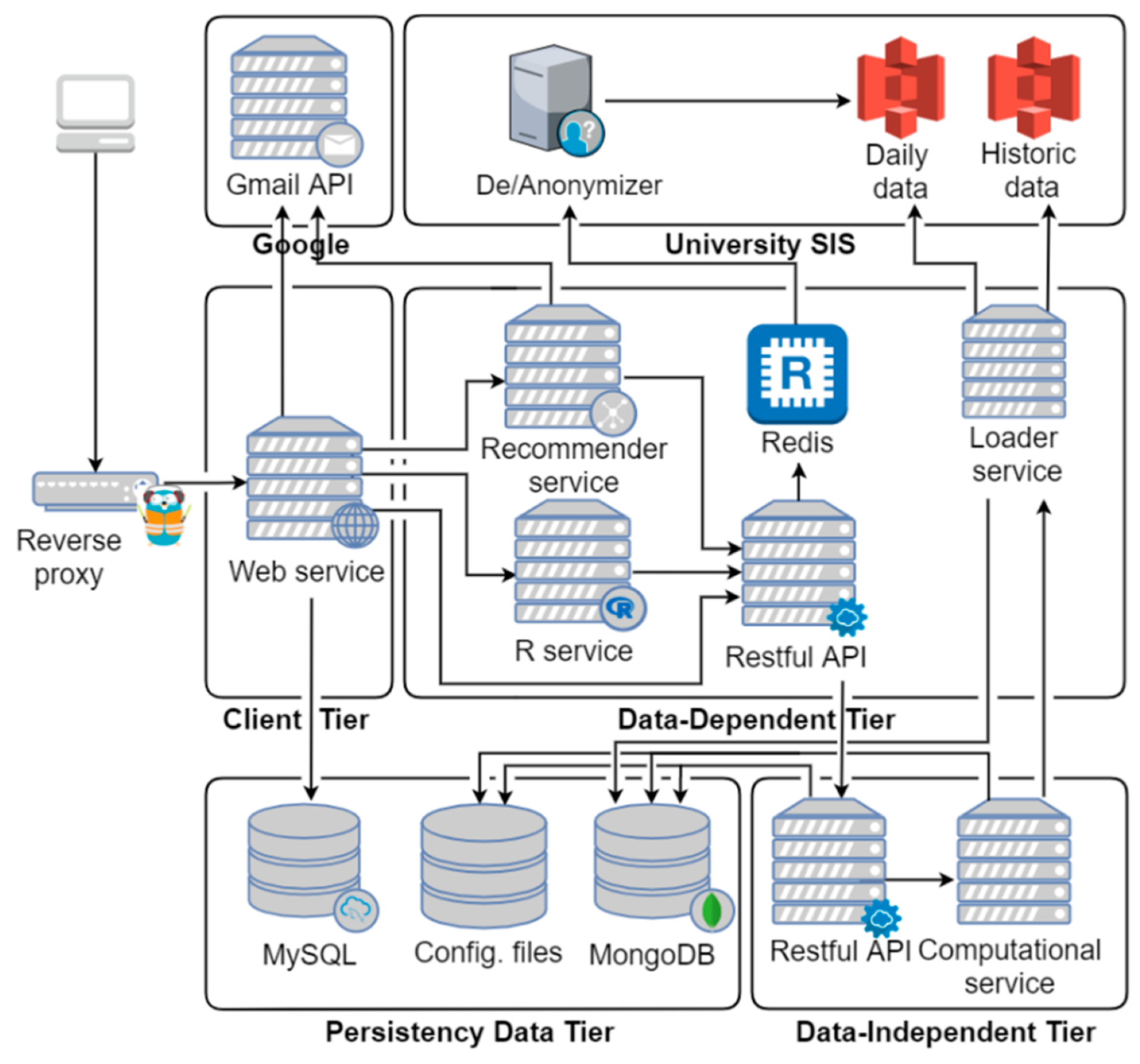
CivilMind system architecture — multi-tier platform with MySQL, MongoDB, Redis cache, RESTful APIs, recommender service and computation services
Multi-Tier Architecture · MySQL · MongoDB · Redis · RESTful API · Computation & Recommender Services
System Architecture

Enterprise-Grade Infrastructure Built for Mission-Critical Uptime

CivilMind's multi-tier architecture separates client, data-dependent, and persistency layers for maximum resilience and horizontal scalability — designed specifically for structural safety monitoring uptime requirements.

Built on battle-tested components — MySQL + MongoDB persistence, Redis caching for sub-2-second updates, RESTful APIs — with full on-premise deployment for government clients requiring data residency compliance.

  • Client · Data-Dependent · Persistency tier isolation for resilience
  • Redis caching for sub-2-second live risk score delivery
  • Recommender + computation services for AI model orchestration
  • MySQL + MongoDB dual persistence — structured + time-series sensor data
  • RESTful API layer for SCADA / MES / ERP integration
  • Cloud or on-premise deployment — full data residency control
Testimonials

Trusted by Infrastructure
Engineers Across India

Placeholder — replace with real
★★★★★

CivilMind caught a fatigue signature in Span 4 that our 6-month inspection cycle would have missed entirely. The IS-code report was on my phone before I reached the bridge.

RK
R. Krishnamurthy
Sr. Structural Engineer · NHAI
Placeholder — replace with real
★★★★★

The 60-second report replaced a 3-day manual cycle for our dam portfolio. For regulators requiring continuous SHM data, CivilMind is the only tool that actually delivers it.

PS
P. Subramaniam
Chief Engineer · State Irrigation Dept.
Placeholder — replace with real
★★★★★

Non-invasive setup on a 200-year-old temple with no surface contact. CivilMind quantified tourist-load impact for the first time — data we couldn't get any other way.

AM
A. Murugesan
Conservation Engineer · ASI
Q3 2025 pilot slots — limited availability

Your structure is generating
data right now. Are you reading it?

Upload sensor data or connect your existing hardware. Get a full AI-generated structural risk analysis — IS-code validated, anomaly-flagged, remediation-ready — in 60 seconds. No installation downtime. ROI in under 6 months.

Works with existing sensors
Setup in < 2 hours
ROI in under 6 months
No installation downtime
Q3 2025 pilot program — priority onboarding for early teams